This month’s Big Picture
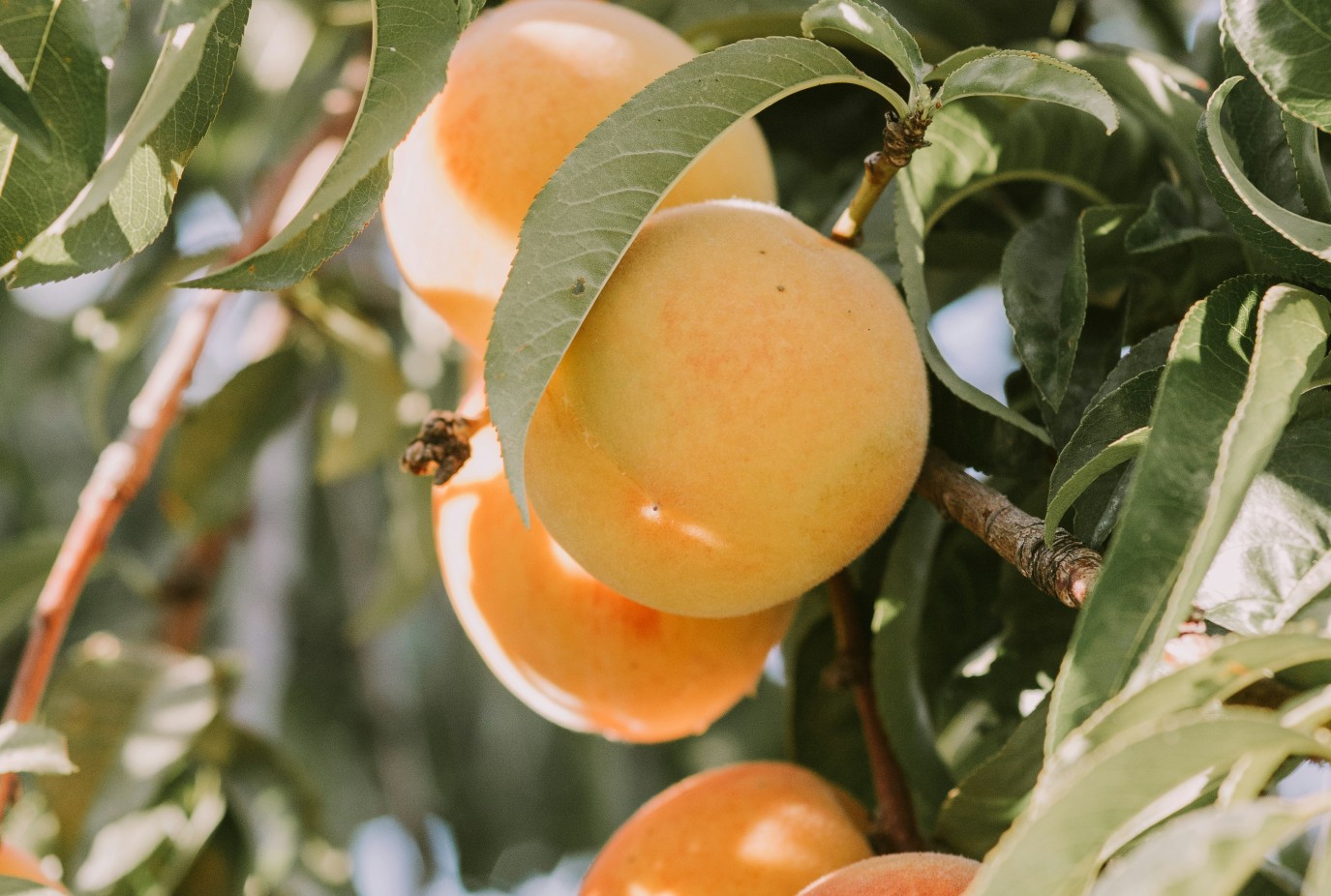
November is the month we get more adventurous in the veggie garden. It’s beginning to warm up and hopefully the last frost is behind us – fingers crossed. I do hope so, I have the best looking crop of Apricots I’ve had in years. In fact, most of my fruit trees are looking good this spring with a great fruit set. It still amazes me that one fruit tree can be laden and the one next to it does not have a single piece of fruit on it. This could be for a few different reasons. Most likely it’s copping a hard frost at the wrong moment as it flowers or setting fruit. It could also be in a biennial cycle. Cropping heavy one year and no fruit the next. The only way to break this cycle is to thin the fruit really hard in the fruiting year. The tree hopefully has some energy to then produce fruit the next year rather than spending a year recovering from its mammoth efforts.
All our fruit trees aren’t safe yet. Hopefully no antarctic blasts hit from here on in.
Moving forward, keep using that frost cloth especially on those warmer loving plants. We are still getting cool nights.
Getting into the soil
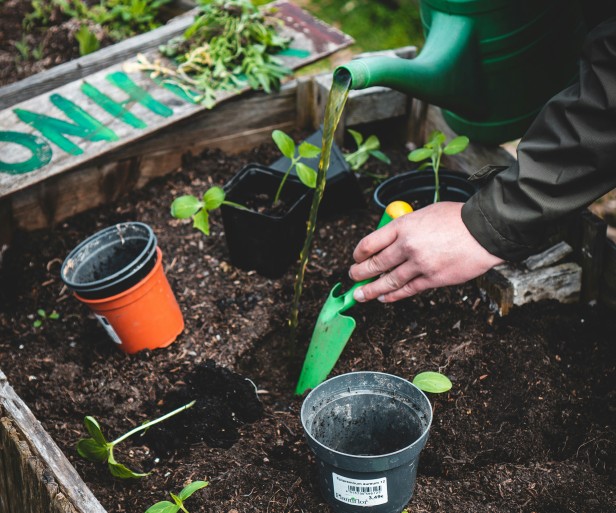
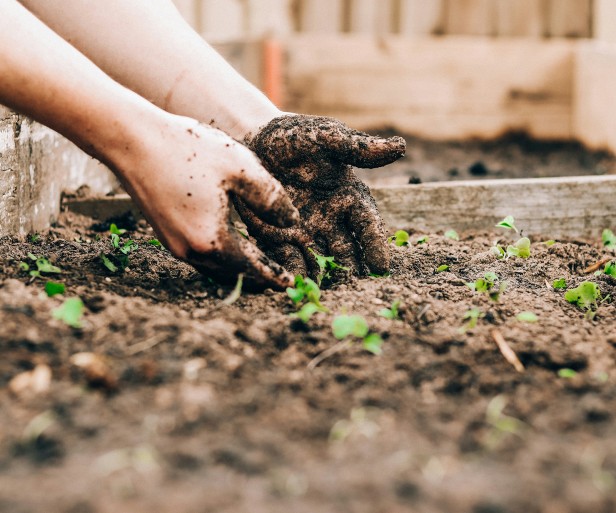
There’s no limit on compost application in our poor soils. Chuck a handful of compost around already established veggie plants. At this time of year this could be broccoli and cabbages that are starting to put some growth on. If plants aren’t thriving in these warmer days maybe you have a lack of nutrient problem.
You can grab some slower release fertiliser pellets and sprinkle them around the base of your plants.
I’m a big fan of the ‘humate’ products we’re able to buy. I feel the ‘trade off’ of using this mined product mixed with seaweed or chicken manure to create a pellet outweighs its climate change impact. Shop bought humates are a type of coal. In our soils they help plants uptake nutrients, increase the water-holding capacity of the soil and stimulate bacterial and fungal activity in our soils, which in turn increases plant nutrient uptake.
In the Veggie Patch
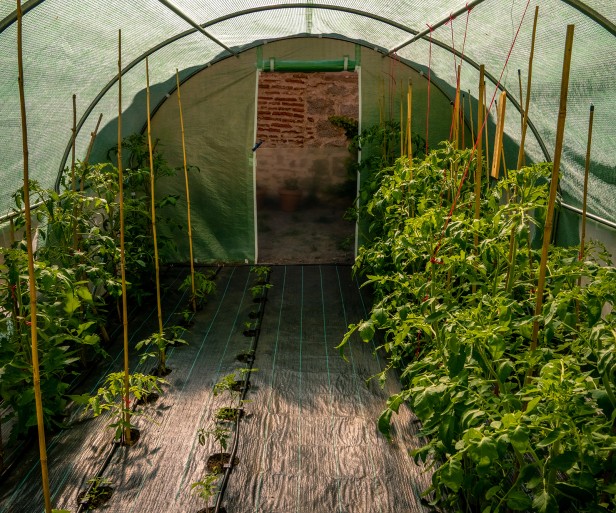
Pumpkins, tomatoes, and corn can go outside now. As mentioned above, keep using the frost cloth on any night temps below 10°C. It’s good to keep them a bit warmer, they will thank you in the long term. With pumpkins you might even keep it on for two to four weeks, especially if you’re in a wind zone. Pumpkins don’t like the wind. You can lose all your pumpkins in a week just to high winds.
Pumpkins are heavy feeders and want lots of water and, of course, heat. I like to plant them directly into finished compost heaps that are still maturing.
You can also sneak them into native gardens. Planting them into plenty of compost then allowing the plants to meander into the natives without swallowing your veggie garden.
Your Compost Needs You
For pallet compost bays, tumblers and daleks start watering once a week for at least a few minutes. Compost heaps are really starting to get parched, not helped by the warm spell we had back in October. Leave the cover or lid off when we get some rain from the gods. Water is the key ingredient to success in the compost heap. It’s so dry here. Put a cover over the heap, too. Some black plastic or something similar you can scavenge.
Favourite vegetable this month
Pulling out the sexiest of vegetables this month ‘the leek’. Don’t hold back your gasps of excitement. The hardy leek can be a mainstay of the kitchen in autumn and especially the winter months. Planting seedlings now, I like to plant three or four seedlings per hole then every 10 cm repeat.
This gives us a variety of leek sizes to harvest over winter. Big ones, small ones, there’s a leek size for every type of meal. Keep the big ones for your hearty soups, smaller ones for a stir fry. It means there’s no half a leek in the back of the fridge drying out never to be used.
Mulch them well with straw or a ramial woodchip. And you can almost forget them till winter.
Tips and Tools
Using either some frost cloth or wind break cloth, keep your carrots covered from seed sowing until they’re about 5 cm tall. The cloth aids with germination, stopping the ground from drying out too quickly. From 5 cm tall you can start using fresh grass clippings as a mulch between the rows. Keep topping up the grass clippings during the growing season. These act as a deterrent for the Carrot Rust fly that likes to nibble away at your carrots. Remember to not place the clippings directly on the plants leaving a centimetre or two of clear space.
Just an idea
During our rounds of gardening workshops this spring, I was wondering how we can grow more veggies successfully. One famous method is ‘the Square Metre Gardener’, a great book available at the library. It’s about planting out a metre of garden at a time every week or so. Each metre has a mix of veggies in it to give you a more continuous supply rather than six cabbages all ripening at the same time.
The problem is we buy punnets with six cabbages. What if we got into gardening pods with two or three fellow gardening friends? This way every week or two we could share our seedlings and just plant the two cabbages, one broccoli, two bokchoy and so on. Bill buys the bok choy, Sandy grew the cabbages, and Tabatha bought the broccoli. The seedlings are shared and we repeat this every couple of weeks. We also get to share tips and what’s going well or badly in the garden. It helps with motivating ourselves and each other.
So why not give it a go.
Need more advice get on to the Dr Compost Facebook page and ask us some questions.
Happy Gardening!