Winter and growing food
In the interests of mental health repeat after me, ‘I am warm and toasty, gardening makes me warmer. Gardening makes me happier. Gardening grows me delicious food. I am composting like a rockstar.’
All new members to the cult of Dr Compost can sign up at drcomopostcult.com. No sleep deprivation here, just a few positive affirmations on how great gardening is for your mental health.
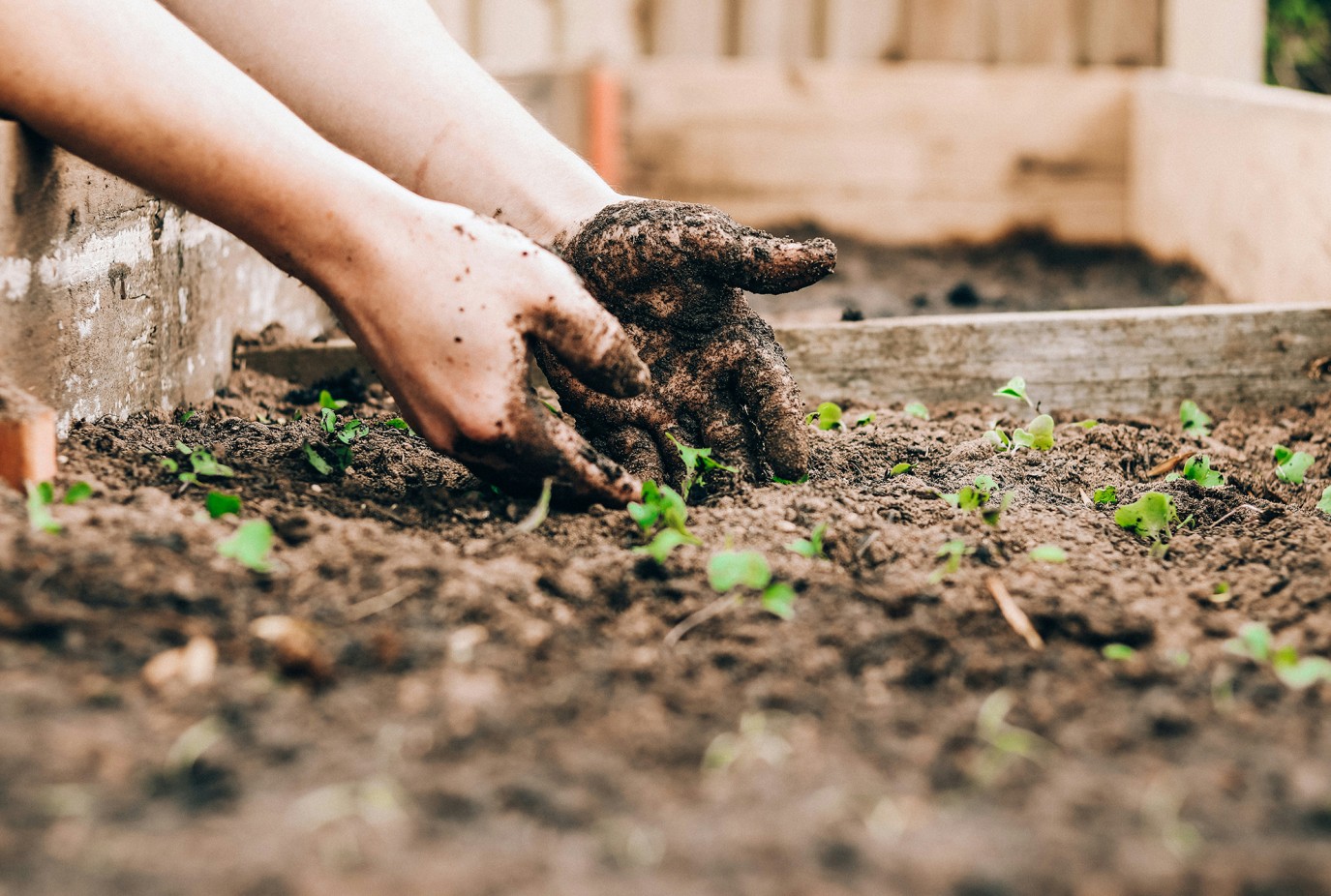
As we enter into the coldest most miserable of months (I promise it’s all cult-like promises from here on), it’s gardening that can lift our moods. It’s a fact that putting our hands in the soil lifts our spirits. Yes, this is a time of year for hibernating and dreaming of people-free powder days, when you’re not doing either of these, this is a great time of year to tell SAD to get lost and get some good shit done in the garden. All hail Dr Compost. (Dr Compost accepts all forms of cryptocurrency, even better the ‘Dr Compost Coin’ available on all unreputable exchanges).
As the garden sleeps there’s lots we can do at this time of year, some of it is still catching up from autumn. Now I think about it, gardening is mostly about playing catch up. I’m not sure I’ve ever been ahead of everything that needs doing. That’s the beauty of gardening, there’s always something that needs our attention. Chant 10 times ‘I am an amazing gardener.’ (Sign up for life’s today with a 10% discount).
So here’s this month’s list of what you could do in the garden. Sometimes I apply the 10°C rule. Garden jobs get done on those warmer winter days.
- It’s time to mineralize all your veggie beds. When was the last time you put down some garden lime or rock minerals? Let’s grow nutrient-dense vegetables. Plants need minerals to grow strong and fight off pests. As gardeners we are mining the soil, every time we harvest a carrot or a cabbage we are taking minerals and nutrients from the soil. We need to replace them. We can use fine garden lime, rock minerals and compost. Amazing compost will also have plenty of minerals available. We should be remineralizing our gardens once a year. Better still, chuck minerals in your compost heap on a regular basis. You can also put your minerals directly on the garden bed then proceed with step two below.
- Stop walking past those garden beds you didn’t put to sleep for winter. If you don’t do it now you’re going to wake up to a bed full of weeds. Especially if we have a warmer winter. I’m already seeing weeds popping up. Grab some compost, spread a layer 2 cm thick. Cover this with a generous layer of straw (10 cm thick), or wood chips (2-3 cm thick), or leaves run through a mower (5-10 cm thick). This mulch is keeping your soil microbes cozy over the cold months, avoiding soil compaction and leaching of valuable nutrients.
- Start burying those Bokashi buckets with enthusiasm. Not composting all those valuable food scraps, then get along to the council offices and grab yourself a deal and start growing monster vegetables. I promise you you won’t be disappointed. If you’re producing buckets, often get as many as you can into one bed. Not so many buckets you can trench down the middle of a bed and spread out the contents. A little can go a long way in fertilising your veggie beds. Running out of space you can bury your buckets next to fruit trees, in flower beds and in amongst your natives in the back berm.
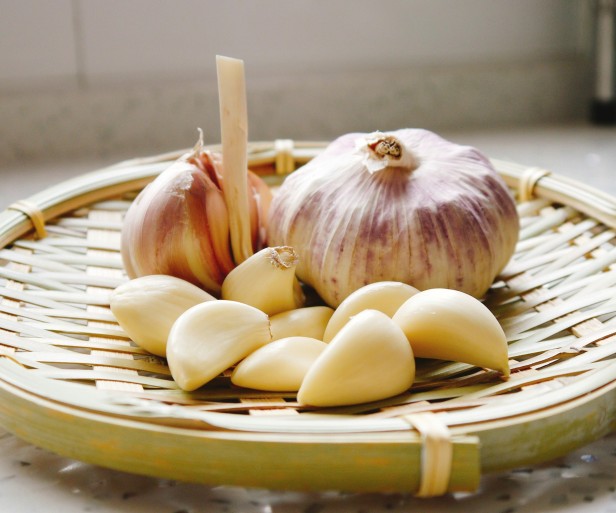
- Last chance to get that garlic in.
- Buy a sugar feeder from the local hardware store and fill it up with sugar water. ½-1 cup of sugar mixed with 1 litre of hot water. As the district grows so does the native plantings and so does our native bird population. Giving them some help over cold winter really boosts our local populations of Tui, Bellbirds and Wax eyes. Hang the feeder somewhere you can watch the birds from the comfort of your living room or kitchen. Our Tuis (well I know they’re not exclusive to my backyard) will come to the window and peer in when the feeder runs out of sugar water and chirp ‘Hurry up and fill the feeder again.’ More birds means more fertility in our backyards. Under our feeding station we now have native seedlings popping up that we transplant and grow on.
Happy Gardening and Composting.
And welcome to all new cult members.
Dr Compost aka Ben Elms is a permaculture and gardening expert who’s been operating in the unusual Central Otago climate for over 20 years. Funded by QLDC and delivered by Wanaka Wastebusters, the Dr Compost project aims to reduce organic waste going to landfill. Got a question? Check out @drcompost on Facebook or benelms.com