Getting Back to Our Roots
Occasional thoughts from Dr Compost – let us know if there are any topics you’d like the Dr to cover.
This month’s big picture October is the month we hit 20 degree days (hopefully), have a few frosty mornings and maybe even snow on the ground. If I remember correctly, 31 October last year was a doozy... It’s fair to assume there will be plenty of spring winds and hopefully plenty of spring rains, so what does this all mean for us in the garden?
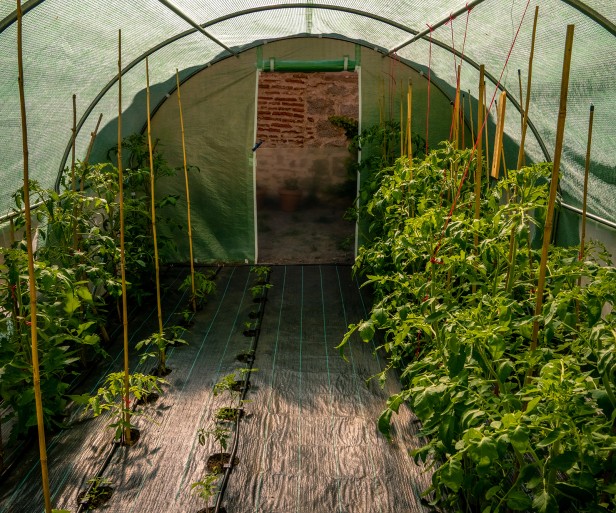
Don’t get ahead of yourself. It’s still early in the growing season, we’re just starting. Don’t go putting tomatoes or pumpkins outside yet. Even in a tunnel/glass house they will need some extra protection from hard cold snaps. So, pace yourself.
You can warm up some beds using black plastic to allow the soil to soak up the spring sun. Warm soils mean faster growing vegetables and seeds that germinate. Lots of seeds need a minimum soil temperature to sprout. Carrots need the soil to be above 13°C.
Scraping winter mulch aside to expose the soil will also allow the soil to heat up faster. You’ll also get a flush of spring weeds popping up. Chop and drop these back onto the bed to break down, adding much organic matter to our southern soils.
Get into it
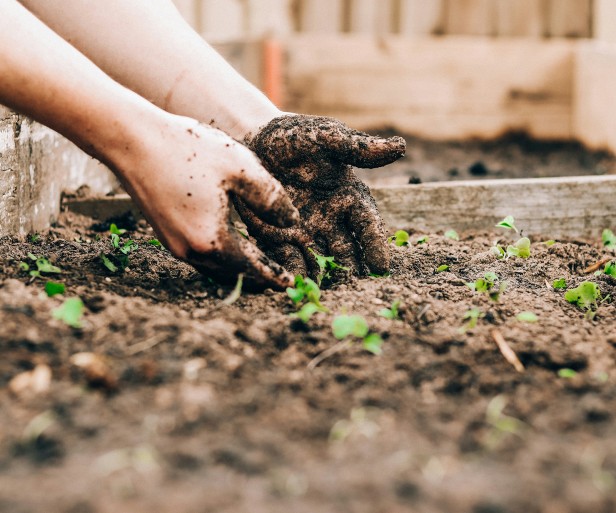
Soil fertility is key to a successful gardening year. Grab some quality compost and pop it onto your veggie beds. Spread a 1-2cm deep layer across the top in the spring and then every time you plant/sow a new crop.
When was the last time you mineralised your soil? This should be a yearly event. Grab yourself some garden lime and a bag of rock minerals, apply it to the soil as directed on the bag and then add your compost layer on top.
In the veggie patch
Labour Weekend (24 October this year) is traditionally when gardeners go nuts and plant out their veggie gardens.
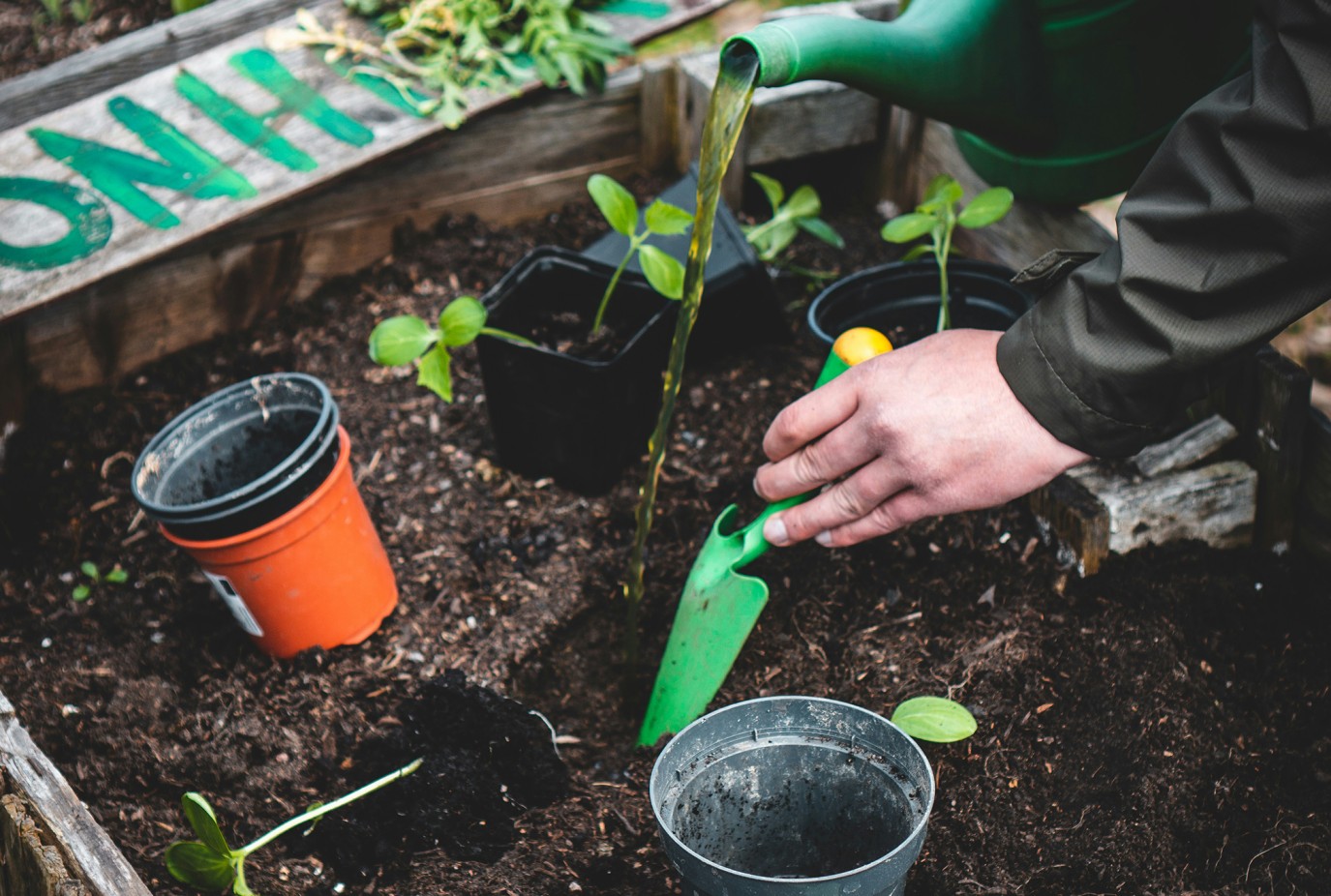
However, I’m already starting to plant veggie seedlings that I’ve bought or grown, but only the hardy crops for now: cabbage, broccoli, cauliflower, and kale. They’ve had a few days sitting on the veggie patch in their pots, exposed to the elements to harden them off. They need this as they’ve either come from my warm kitchen, the glass house or the garden store. All these places are cozy and comfy compared to the weather extremes of my veggie garden so a couple of days just sitting outside really helps to ease the planting shock.
Once planted I like to give them a little health tonic. Some liquid seaweed is the gardener’s secret elixir to help them cope with any shocks.
I’m also sowing my leafy green salad bowl bed - regular readers will be familiar with this obsession of mine!
Around Labour Weekend, I’ll ramp up the planting with spring onions, onions, carrot seed, leeks, spinach, celery and parsley.
I will sow pumpkin seeds indoors as it can still be too early for pumpkins outside while cucumbers ultimately should grow well in the tunnel house or in a very hot spot in the garden.
Your compost needs you!
Give your winter compost heap a good turn, mixing everything up vigorously, adding some moisture if needed. Now’s a good time to top up your carbon stores for the compost season ahead, but how do you do that? A bale of straw, some wood chips, some shredded cardboard, autumn leaves are great carbon additions. As a rule of thumb you should add at least 50% carbon ingredients to your veggie scraps.
If you’re not composting yet, get along to one of our Spring gardening workshops at Sherwood later this month.
Vegetable in the spotlight
Radishes are one of the fastest growing vegetables we can grow but they need lots of water. This year, why not try growing a daikon radish? Originally from Japan these can grow into tasty monsters, giving you bang for your buck. While English and French radishes will suddenly bolt and be done for if you don’t pick them in time, daikons can keep growing so you get a much longer harvesting timeframe, and they’re still delicious as they grow bigger.
Finally… Are you a brand new gardener looking to grow delicious home-grown veggies? This new opportunity wants you. With mentor support and a ‘free’ veggie garden bed it’s a great way to kick start your gardening career.
Check out Kiwi Harvest’s gardening programme starting this month. For Wānaka, Queenstown and Cromwell. All veggie beds are made from upcycled materials, filled with amazing compost and you get ongoing support from cool, local, master gardeners. Sign up at this link. www.kiwiharvest.org.nz/khh
Tips and tools. Frost cloth! This is a magical tool for the gardener that I will come back to again and again over the months ahead. Either put directly over crops or on a hoop system. The frost cloth gives you a 4°C buffer to outside temperatures. Your own little heat pump for your veggie bed.
Need more advice get on to the Dr Compost Facebook page and ask us some questions.
Happy Gardening!