Watch that slash! Lifejackets to be compulsory nationwide
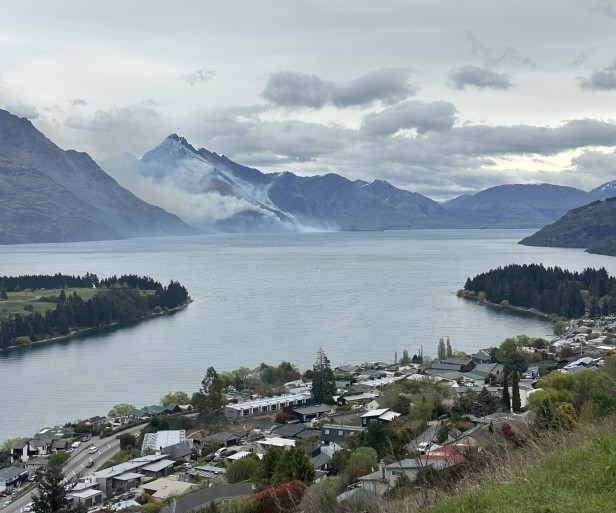
Boaties and recreational water users are being warned to take extreme care this spring and heading into summer, keeping an eye out for slash and debris with several early spring deluges seeing masses of large driftwood washed up on local beaches recently.
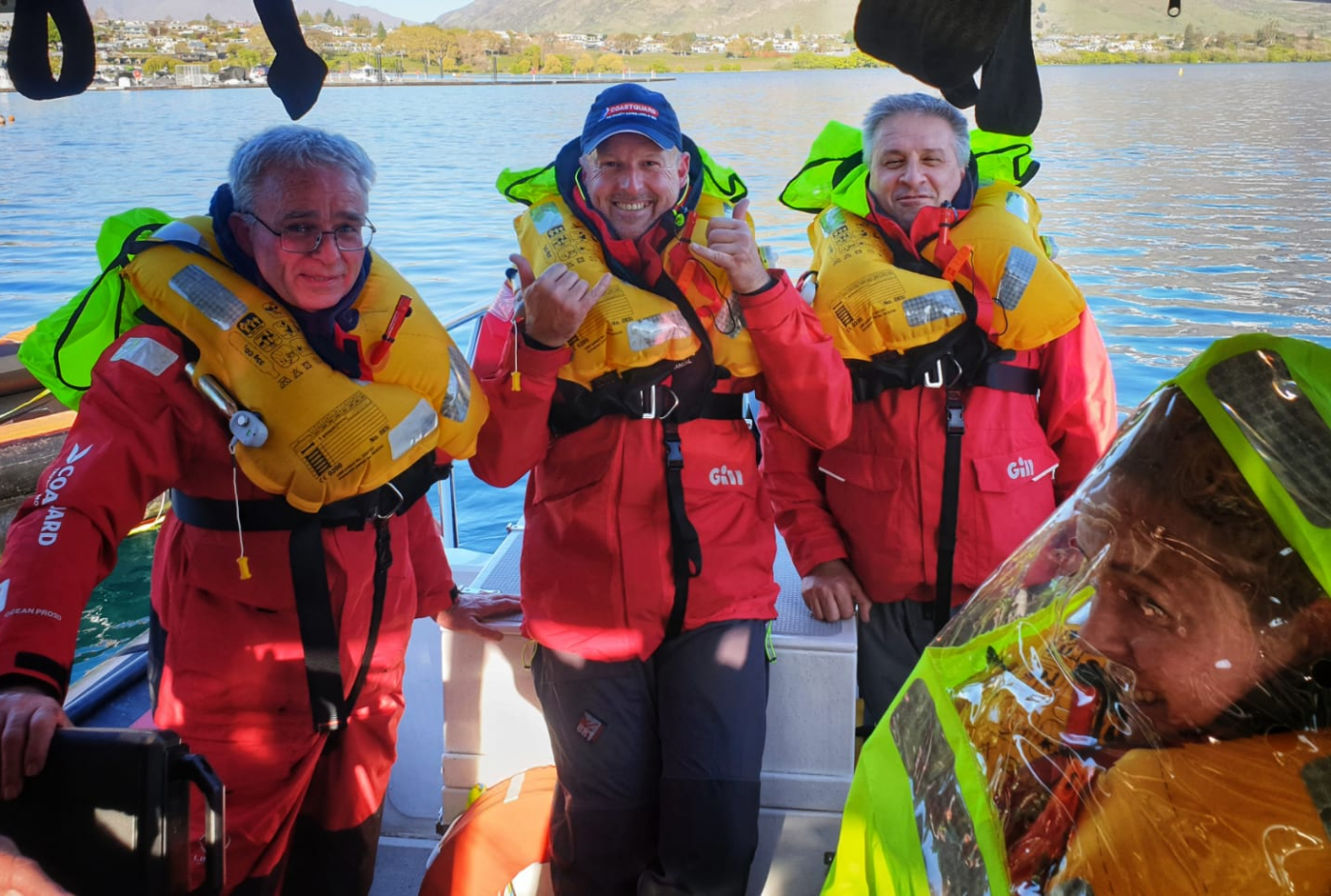
With short, sharp bursts of wet and windy spring conditions possibly accentuated by the much talked about ‘Super El Nino’ weather patterns, Coastguard Queenstown skipper Anthony Hill says boaties need to keep a lookout.
The masses of large driftwood washed up on Queenstown Bay beach after several heavy downpours last month (mid-September) is testament to what’s out there and Hill says it’s even more of a problem when the lake remains high.
“We’ve seen some of these short, sharp bursts of heavy rain that wash a lot of slash and debris into the lakes, clusters of which float around for some time. “We do get debris moving around Lake Wakatipu, especially after heavy downpours and when there’s a deluge that momentum picks up. It’s very hard to see and definitely not good for your engine or propellor.”
He’s also urging boaties to carry suitable forms of communication out on the water this season. “We recommend a VHF radio, although we’ve had problems with the repeater on top of Cecil Peak, the solar panels sometimes being covered with snow.” Hill says the Queenstown Lakes District Council is negotiating to try and get that repeater lowered and repositioned. “People out on the water should still carry a personal locator beacon or call *500 on their mobile to contact Coastguard NZ or 111 in an emergency.”
New national legislation matching this district in making lifejackets compulsory for all ages in small recreational craft is being welcomed by the Coastguard Queenstown, he says. “It’s been the law here under our local bylaws for some time, the first version passed locally in 2009, however, with so many visitors to the area many people don’t realise it’s mandatory,” Hill says.
“Anyone of any age on all recreational craft (6 metres or under) locally is currently required to wear a lifejacket here and we’re very pleased to see that this is to become law nationally.” The rules apply to paddleboards, kayaks and jetskis as well. For over vessels 6 metres failing to carry sufficient lifejackets in the correct size on board attracts a fine of anything from $300 to $500, a $500 fine also can also be slapped on any boatie allowing anyone under 15 to drive their craft unsupervised, Hill says.
The third reading for the Life Jackets For Children and Young Persons Bill was passed recently to try and reduce the risk of children and young people drowning during recreational boating. However, Hill says under deliberation it was realised that it was not just young people at risk and the Bill was amended to cover adults too with the name amended.
From 9 October 2026 the new law means everyone nationally must wear a lifejacket while on board a recreational craft of 6m or less. Hill says at present on boats larger than 6m this is left to the discretion of the skipper and those on board. Children under 10 must still wear a life jacket though under local council bylaws. He says the changes can’t come soon enough.
Meanwhile, Coastguard Queenstown’s 35 volunteers continue to train hard in preparation for what’s predicted to be a boomer summer season for visitors.
“We’re there to help the likes of Search and Rescue if there’s an emergency, and boaties if they need to be towed to safety,” he says. Coastguard Volunteers are also on hand offering safety advice at local events.
“It’s a chance for us boaties to give back to the boating community.”
They’re also pretty close to having their own all woman Wakatipu crew. “We’ve had a good number of women expressing interest and they’re very close to participating as an all-female crew,” Hill says. It’s hoped they’ll be ready in the New Year.