Cocaine, MDMA – Experts warn against mixing drugs with alcohol
While there’s less of a concern about whether recreational drug users are getting what they paid for around the Queenstown Lakes just now, Know Your Stuff general manager Casey Spearin says they’re more concerned about people mixing their drugs with alcohol.
Cocaine use appears to have been on the rise around Queenstown during the last few years amid a “massive increase” in availability and improved quality of the drug nationwide.
While they see anyone from 18 to 35-years at their local clinics, at $400 a bag cocaine is “usually for the richer ones”, Spearin says.
“It’s therefore prominent in higher socio-economic areas like Queenstown and they’ve been “checking quite a bit of cocaine” in their local free drop in testing sessions. “It’s showing up a lot more in the last couple of years,” Spearin says.
She says the major harm comes though when drugs like this are mixed with alcohol to try and hurry the hit. “Younger or new users especially don’t now the characteristics of the drug as they haven’t taken it before and don’t know not to redose. It has a short active hit, which can be only 20 to 45 minutes.” Others use alcohol to try and enhance that and cocaine and alcohol combined are extremely toxic to the liver, she says.
It’s always a concern but especially in the lead-up to big ski season parties like Snow Machine, which kicks off on 8 September.
“One of the greater problems we’re seeing is people combining recreational drugs like MDMA (ecstasy) and cocaine with alcohol. They mask each other and people end up drinking more or redosing as they’re not feeling the likes of MDMA so strongly due to the alcohol,” she says. “They’re taking multiple substances and unintentionally taking extra doses of MDMA, or other drugs, unaware that it can take a while to kick in,” she says. Topping up with more alcohol can be disastrous. “We frequently hear that it takes 45 minutes to an hour for MDMA to kick in and that can vary even up to 90 minutes depending on whether people have had a big meal or not.” It’s especially a problem for younger teenagers who lack that education, Spearin says.
Pressed pills – multiple doses in one, are also a trap for young players and newcomers, with their clinics usually able to decipher this ahead.
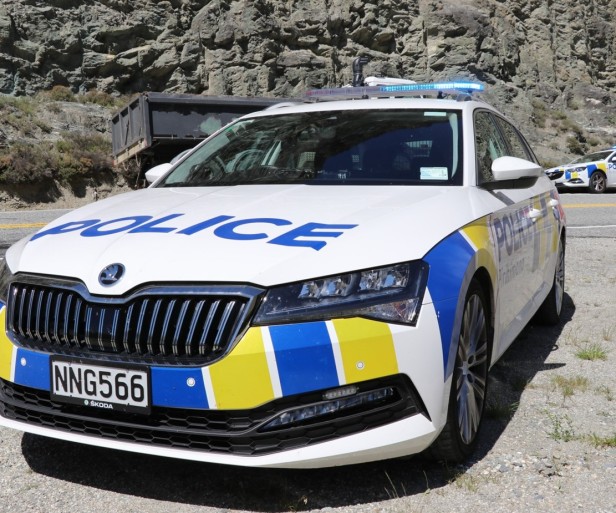
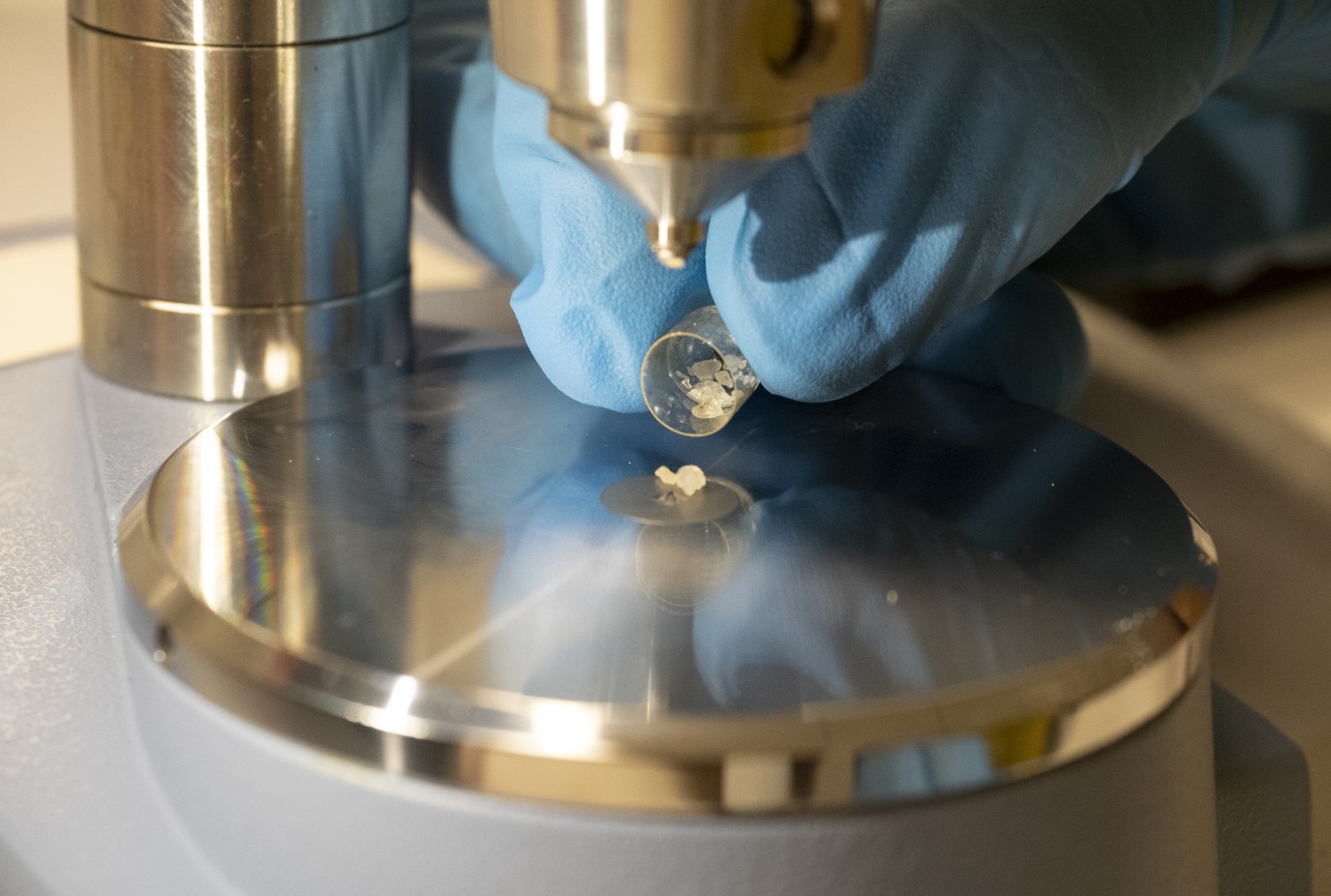
Know Your Stuff holds alternate free monthly drop-in sessions in Wanaka and Queenstown where people can bring in a small sample of a drug they’ve bought for testing to ensure it’s authentic and also get advice. The latest of these was in Queenstown’s Memorial Hall on Friday night (14 August). Police support these sessions as they’re preventing harm and people are assured there can be no legal repercussions from attending, she says.
Last year 95% of the MDMA that people brought in for testing was actually MDMA after some concerns in recent years that people were being sold fake replicas laced with something else. “With the other 5% that came it could be something entirely different and harmful, such as fillers like caffeine,” Spearin says. “That means multiple stimulants and that’s really hard on your cardiovascular system. There’s also evidence that it’s neurotoxic and very hard on the brain.”
Spearin says they see “a whole range of drugs given the big party scene around Queenstown and Wanaka” - MDMA, LSD, cocaine, magic mushrooms (psylocibin) and ketamine, fast becoming a popular drug of choice.