Bone is Bone
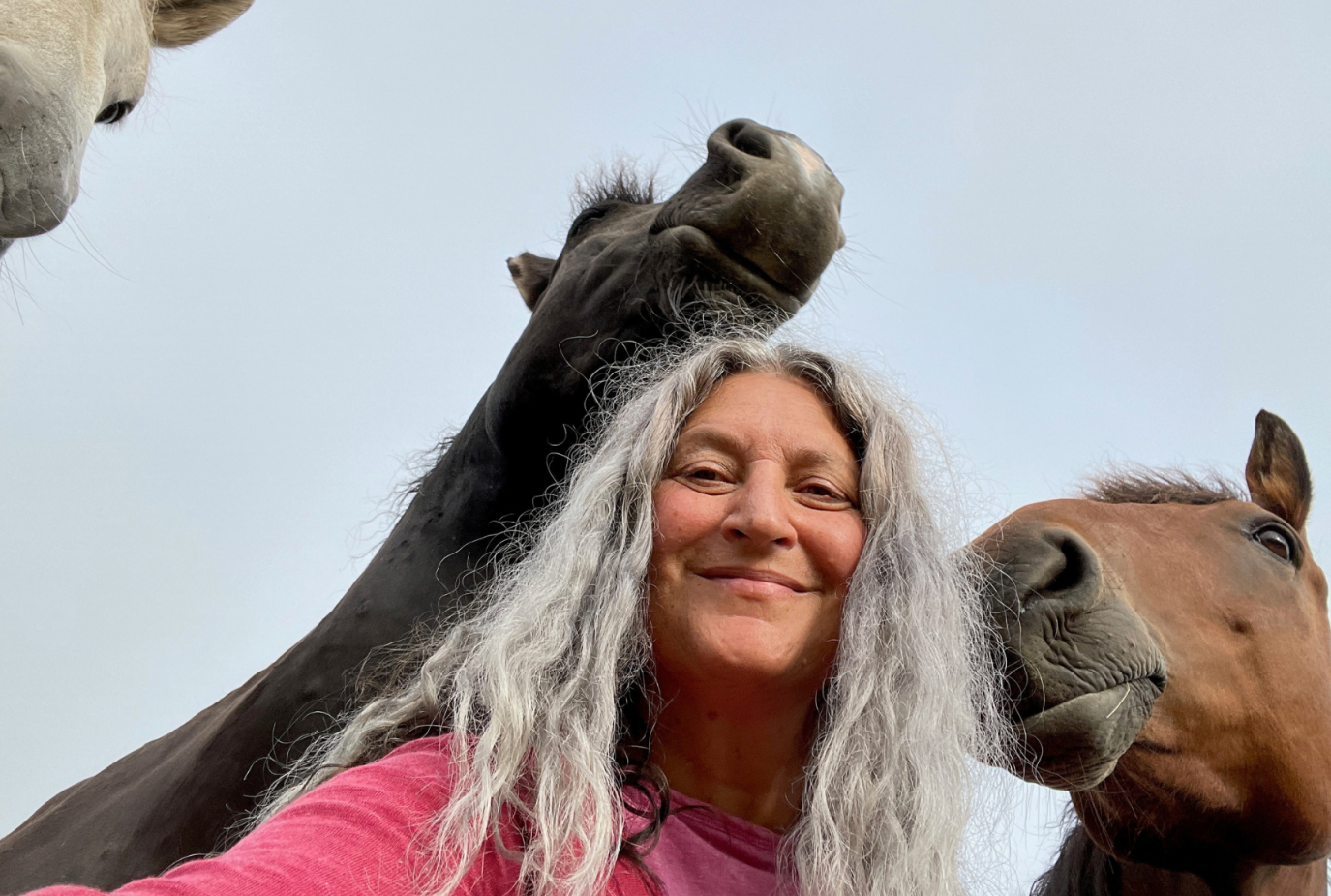
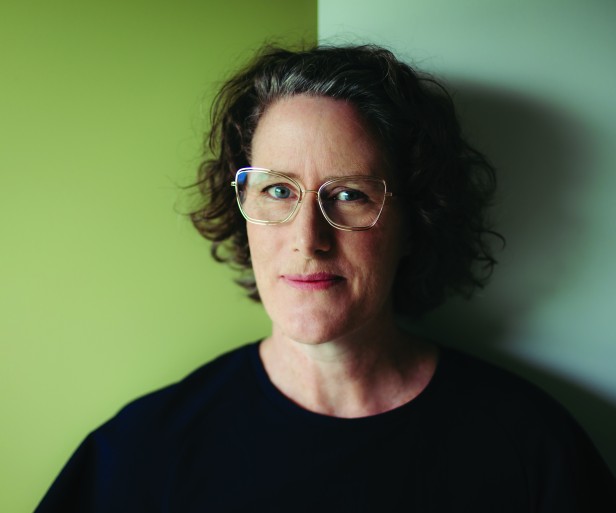
Hāwea Flat-based artist Robyn Bardas’ exhibition, Bone is Bone, is currently on display at Te Atamira. It’s all about connection – between ourselves and other species, stretching from human to horse, and the way we communicate with each other.
There’s 11 sculptures, three videos and some words included in the exhibition, with Bardas describing the space as working as one. The works explore the connection between humans and horses, and emphasises communication and attunement. It’s a little darker, a little quieter in there, which makes for an immersive experience.
“You go in there and it instantly calms your nervous system a little bit,” Bardas says. “The three largest sculptures are central in the room, so they draw you in, and they’re like three totems welcoming you into the space.”
Those sculptures are life-size horse heads, made of clay and bisque fired. Each one is sat at human eye level, and feels like a warm greeting into the exhibition. There’s also seven smaller hand-sized sculptures and a small bronze sculpture in the exhibition.
“I’ve watched people in the space and they seem to take their time with each work – as if it’s an individual entity that you’re encountering. That is my intention, that people spend time with each piece.”
All of the works are created from life as Bardas sits in front of the horse, or the skull, to create her art.
“There’s a whole, sort of, interactive experience between me and the source, then what’s been made and the viewer. It’s kind of like a conversation between all of us.”
The exhibition explores connection and communication – you don’t have to be a horse lover, or understand horses, to enjoy. Bardas has spent a lot of time with horses, interacting with and connecting with them and this comes through in her art – videos show her with the horses, which gives the sculptures a different feel and meaning.
“I think non-horsey people might even get more out of it, because they’re coming at it open.”
This Saturday Bardas will be at Te Atamira taking part in an artist talk and presenting a drawing workship. The talk offers an opportunity to hear directly from Bardas, learning about the thinking that underpins her work and gaining insights into some of her ideas. In the workshop, Bardas will pass on some of her wisdom – she’s been studying classical methodology since 2019 at the great classical schools of Europe and recently returned from a month at the Barcelona Academy of Art, learning classical sculpture and painting. She says she’s been diving into the classical side of things for a long time and it comes out in her work in many different ways, which people are interested in.
“It’s a three hour class and it’s just drawing, but it’s offering a classical lens on drawing. So, it’s not quick and free, it’s methodical and gentle, and it’s all about light and shadow, and finding where the line is between light and shadow. People who are experienced artists and want to know more about classical, they will get a lot out of it. Anyone that wants to do drawing at any level will get a lot out of it.”
This particular workshop isn’t suitable for absolute beginners in art, but anyone who has an interest or a little experience will get a lot out of it. Bardas loves teaching and meeting students wherever they’re at in their art and helping them with whatever they’re confronting at that time. She’s happy to be in Queenstown, meeting and connecting with the community here.
“It’s lovely to have a show in Queenstown and I’d love to welcome the Queenstown horse community, Queenstown art community, and everyone. I think all ages will be interested and it’s a pleasure to share it with everyone,” she says.
The Bone is Bone exhibition will be on display at Te Atamira until Sunday, 14 June. Robyn Bardas will give her artist talk at 11am on Saturday, 30 May, and her Classical Drawing Workshop will be at 1pm. You can find more information on the exhibition, talk and workshop at teatamira.nz