Nationwide CO2 shortage affects Otago’s brewing industry
New Zealand has been dealing with supply issues for carbon dioxide (CO2) for quite some time now, but this has all started to come to a head over the past two weeks as the Kapuni liquid carbon dioxide processing plant has temporarily closed down.
CO2 has many different uses, namely within the medical industry, wastewater industry (both of which have been prioritised as CO2 comes into the country), and in the production of beer and other beverages. Many Otago businesses are starting to be affected by this shortage, which is set to continue for an unknown amount of time.
Pressure has been put on the CO2 industry since the closure of the Marsden Point refinery earlier in 2022. While some suppliers of CO2 do import the chemical compound into the country from Australia and beyond, many rely on the Kapuni plant and some of those that don’t are reporting struggling with shipping delays.
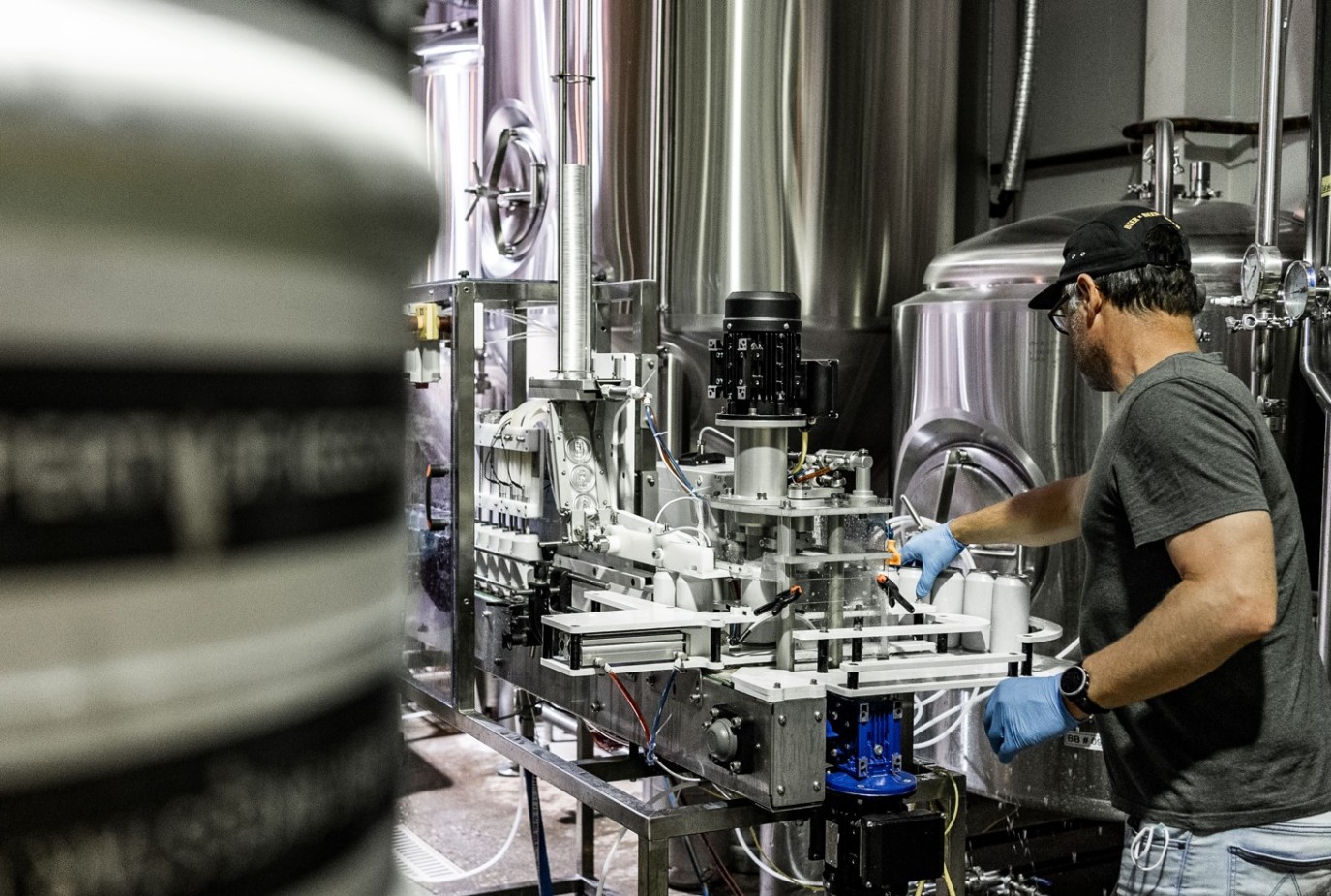
Simon Ross at Rhyme x Reason Brewery in Wanaka has the lucky job of Administrator/Chief Taster. The ongoing shortage has been a pain for the brewery and as a result they’ve had to spend a lot more time on the phones ensuring they’re going to get the product they need. While the issue hasn’t stopped production altogether, it’s piqued the breweries interest in alternative ways of working.
“We’re looking at potentially using nitrogen for part of the processes that don’t 100% require CO2. A lot of the reason CO2 gets used is to purge oxygen out of the tank because craft beer is really sensitive to oxygen, and we’re really keen on making good quality beer. If we switch to nitrogen we can get away with using that for things like purging tanks and cleaning kegs, which should be able to at least reduce our reliance on the CO2 supply,” says Simon.
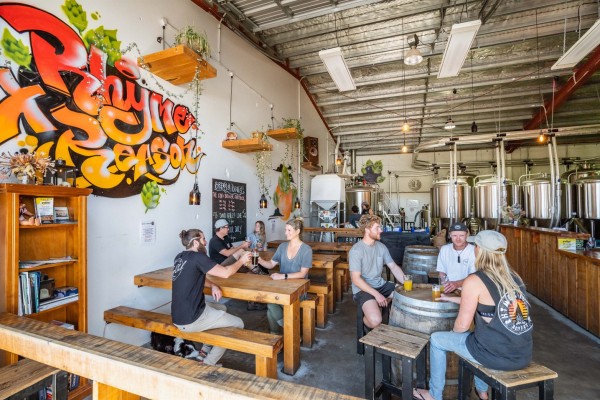
Rhyme x Reason Brewery in Wanaka
Geoff Collie is the Course Lead at Central Otago Polytechnic, teaching brewing. Geoff has been involved with brewing operations management for more than 25 years and has worked with Speight’s Brewery and Emerson’s in the past. At the moment the polytech isn’t having huge issues with the CO2 supply, but Geoff does, however, believe that industry practices need to change to become more sustainable and to avoid issues in the future.
“If we can’t purchase CO2, we won’t be able to continue to produce beer. In many respects, burning natural gas to produce CO2 to supply the industry seems to be a crazy thing to be doing anyway, given the oversupply of CO2 on the planet at the moment. Breweries can have equipment in place that can recover carbon dioxide off the top of their fermentations that liquefy the gas for reuse. A lot of them are actually self-sufficient and don’t need to purchase carbon dioxide. Smaller breweries can’t always afford to do this. Having said that, there are things that small breweries can do to reduce their CO2 consumption and that’s something I’m starting to think about here as well,” says Geoff.
Lakes Weekly Bulletin spoke to several breweries both on and off the record, and heard the same key messages echoed – that there is a shortage of bottles for CO2, that the current brewing process isn’t sustainable, and that the full scale of the issue seems very strange to them, but something needs to change.
While the timeframe of the CO2 shortage and the level it may reach is uncertain, it’s positive to see the resilience of local businesses and that they’re willing to look into alternative methods. If alternative measures are brought in, breweries will be supporting Aotearoa’s mission to reduce carbon dioxide emissions.