Mitre Peak and Grand Traverse no ‘walk in the park’
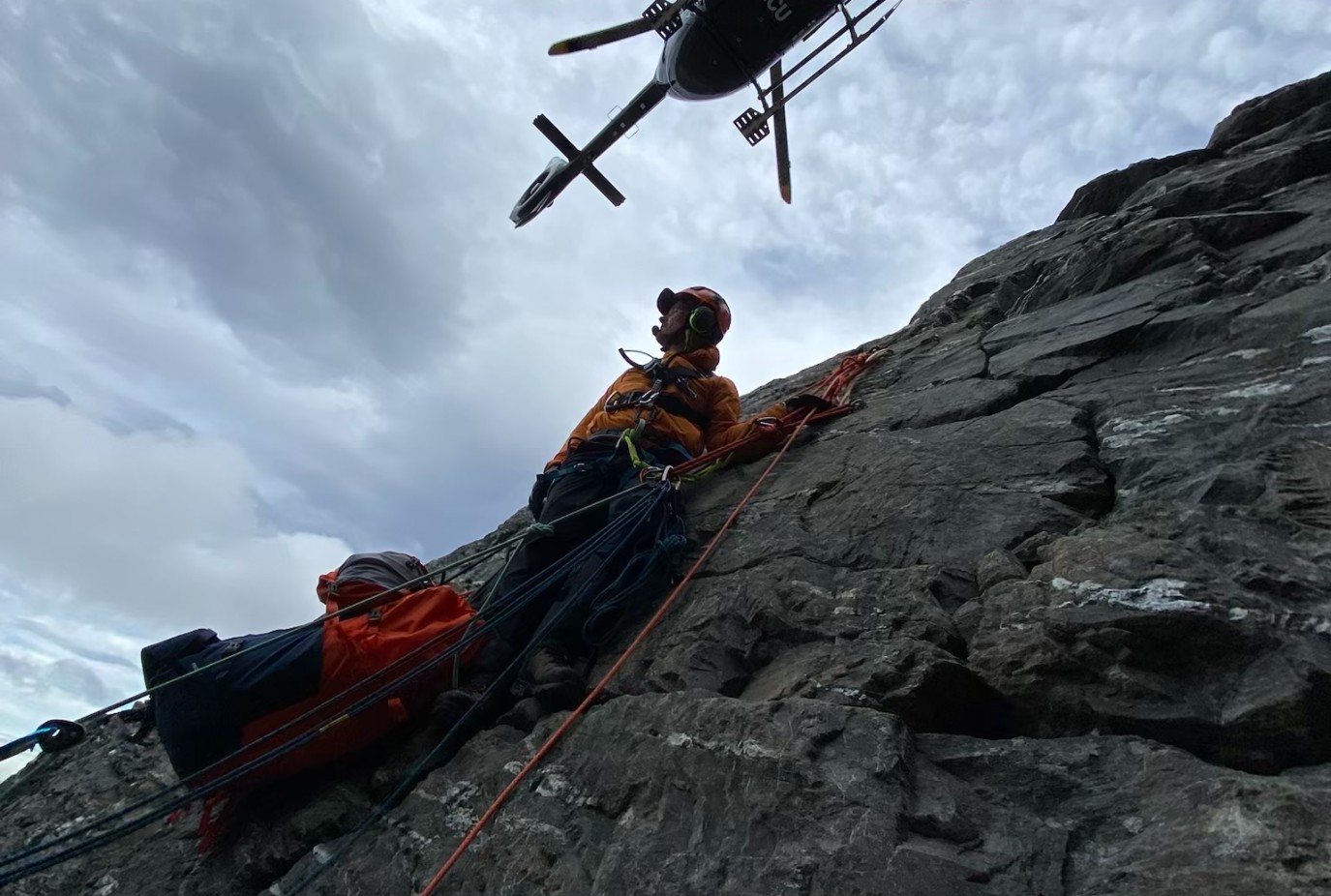
Social media posts painting ‘walk in the park’ pictures of some of the Southern Lakes’ most challenging climbs and hikes have raised fresh concerns for local specialist rescue volunteers, after being called out to some eight rescues in the past month.
Along with Police, the Mountain Safety Council and DOC they’re reiterating calls for those who are unprepared, ill-equipped and inexperienced to check credible sources of information and forecasts before heading into the hills.
Queenstown outdoor enthusiasts were concerned about a social media post last week by an experienced climber with a decent following which they believe makes 1690m Mitre Peak out to look easier than it is, particularly for inexperienced climbers. It was referred to as “amazing scrambling” and a “must do” that “should be on everyone who visits Fiordland’s list”.
Posts like this with dramatically beautiful scenery, but extremely challenging steep rock faces being tackled easily by people who were experienced enough to climb without ropes, can be a false lure for the inexperienced, rescuers say.
Their concern is that people who know what they’re doing make it look easy to those who don’t.
Wakatipu Alpine Cliff Rescue Team coordinator Russ Tilsley says even if those who are posting are experienced and believe their followers are too, the terminology used can sometimes be lost in translation.
The rescue of a young American woman who was knocked unconscious and suffered moderate head injuries after a fall while attempting to cross The Remarkables’ Grand Traverse earlier this month was likely the result of seeing a magnificent social media post, he says. “She and the guy with her said they were “just going for a scramble”. “She was very lucky.”
“It’s one of those things we’re seeing more and more,” he says. “It’s probably a scramble for people with appropriate skills and experience, but for everybody else there can be serious consequences,” Tilsley says. “One slip and you’re dead, as, sadly, the consequence is if you fall, you’ll likely die.”
The Grand Traverse, like Mitre Peak, was becoming more popular and was “knife edge stuff”. “If you fall it’s a long way down.
“These places are just becoming more and more popular as people post these things, sunny weather, amazing views, and it looks easy. People are attracted there and want to do these climbs,” he says. “We do get people who go up Mitre Peak without the right kit. The average person should carry a rope up there.”
Fellow Wakatipu team member Karl Johnson agrees: “If something goes wrong up there it’s very bad.” In his almost 17 years with the local team, they’ve recovered one body, one badly injured climber, another person, and a young Englishman is still missing, all on Mitre Peak, he says.
It’s been a busy summer of callouts for the team so far and they’re urging people to make sure they get the right advice from the likes of DOC and carry the right gear. It’s especially important for overseas visitors of any age who aren’t familiar with NZ conditions, the backcountry and alpine terrain, and how quickly the weather can change.
With so many people, especially overseas visitors, lured by stunning social media posts that can give them a false perception of what they’re embarking on, Tilsley’s warning people to “do your due diligence before you go”. “Don’t rely on social media posts.”