Climbers urged to know descent routes - Nighttime rescue from steep vertical ice
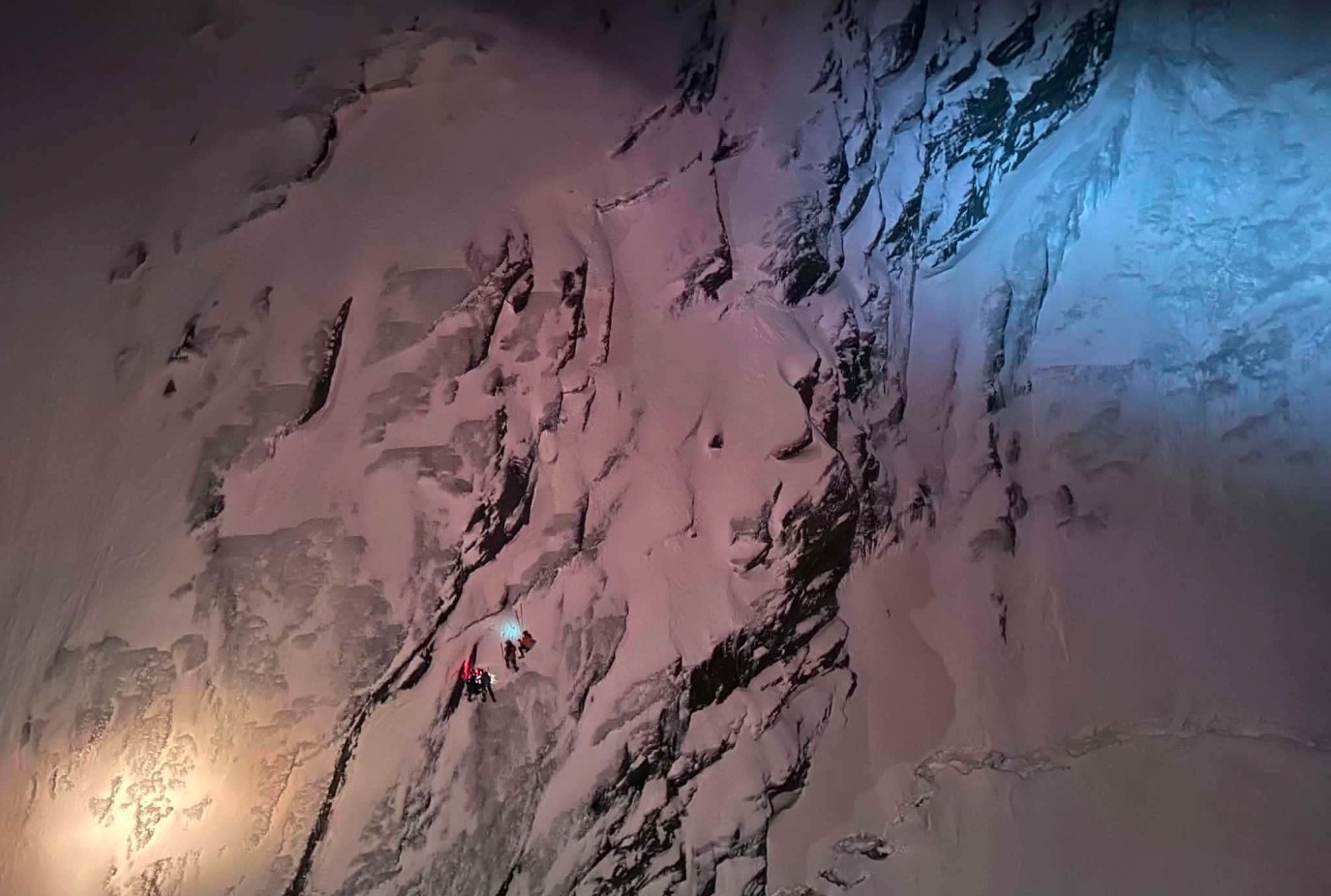
Rescuers and mountain safety experts are urging climbers to ‘know their descent route’ before taking on big climbs, after two strong local climbers in their 20s had to be rescued late at night from a steep, vertical ice slope, high on Mount Aspiring overnight on Tuesday, 30 June.
Two rescue helicopters and volunteer members of the Wakatipu’s specialist Alpine Cliff Rescue Team responded after the pair – a man and woman, both 25, who are members of the NZ Alpine Mountaineering Team, set off a personal locator beacon just before 8.30pm.
It was 1am before rescuers could get to them about 2000m up the 3033m mountain where they’d become stranded on their descent on steep, vertical ice. Wakatipu Alpine Cliff Rescue Team spokesman Karl Johnson says it was a very technical ice rescue, hampered by low cloud and challenges.
It was 4am before the team members and the rescued pair arrived safely back in Queenstown.
A Rescue Coordination Centre spokesperson says the two were then checked over medically.
The pair – a young woman and man, both members of the NZ Alpine Mountaineering Team, weren’t injured, however, the woman had to be treated for frostbite on her toes, Johnson says. They were on their descent after climbing the South Face of Aspiring on Monday, camping high on the mountain that night.
They’d become lost while abseiling down ending up on the vertical ice slope.
“They were coming down just south of The Ramp above the Bonar Glacier and got a bit off route ending up in a place they couldn’t get out of,” he says. “Unfortunately, a lot of people come unstuck on The Ramp.”
Rescue attempts were hampered by low cloud coming in around the pair but after several attempts the weather cleared sufficiently. Two Alpine Cliff Rescue Team members were winched in and found a small rock buttress that they were able to anchor the pair to with ropes, then winch them out.
While both strong climbers, they didn’t have a lot of alpine experience, Johnson says.
“People need to know their descent routes if they’re going into the mountains because if you don’t then that’s when incidents happen,” he says.
“The mountain is in poor condition at present. Other climbers in our team bailed from Aspiring on Monday as the conditions weren’t good,” Johnson says. “It’s not safe, good climbing for this time of the year. There’s normally a bit more snow.”
Also hampered by fog at Queenstown Airport the helicopter pilot had to pick up the local rescuers from up the Remarkables Road, after they were called to help just after 8.50pm.
Temperatures on Mount Aspiring were likely to have dropped to -20°C on Tuesday night.
The Rescue Coordination Centre spokesperson says carrying a distress beacon “made a big difference” in ensuring the climbers could be assisted when they got into difficulty. He also praised the responders who worked through the night to get the climbers back to safety.