Bus misery to continue
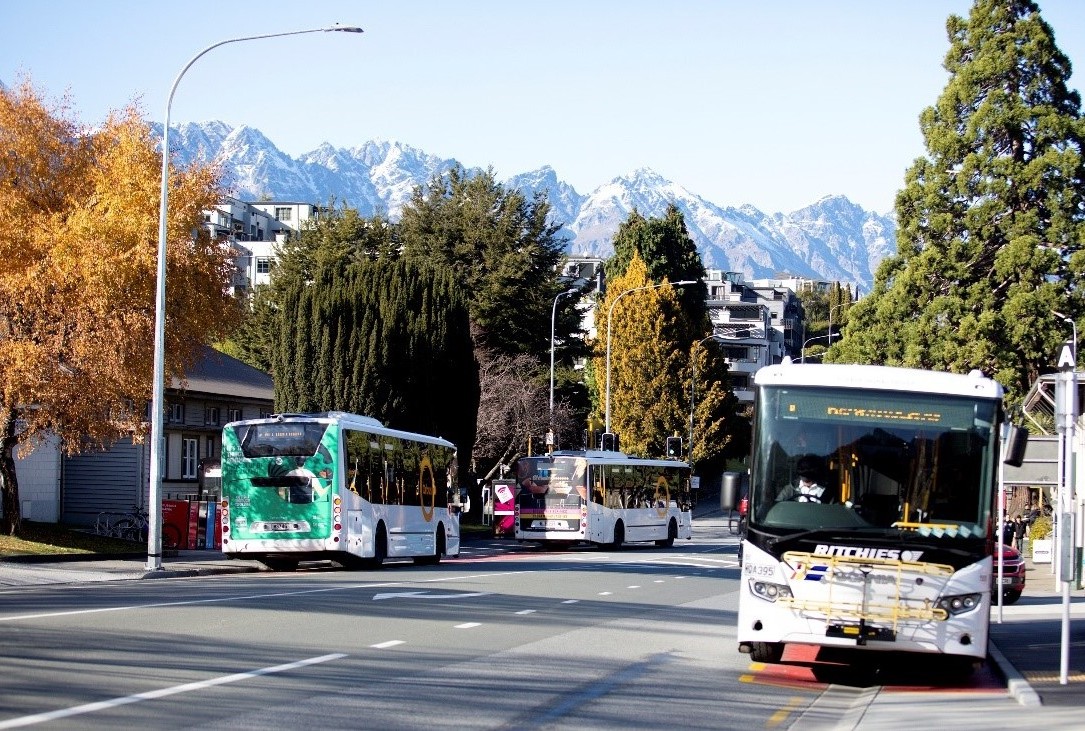
Queenstown's bus service will run on a reduced timetable for at least another five months.
Otago Regional Council slashed the Orbus service by 25% in Queenstown and Dunedin last July due to a shortage of drivers. Passengers have also faced daily last-minute cuts.
ORC Interim Chief Executive Pim Borren says Dunedin operators now have enough drivers to increase frequency of trips from next month.
But after discussions with Queenstown bus operators just prior to Christmas, he says the deadline for a return to the full time-table in the resort town will be extended to June 1 this year.
"Essentially NZ is still 800 drivers short nationwide and Queenstown with its challenging accommodation and high living costs has proven particularly difficult for recruitment of drivers locally," he says.
"This is notwithstanding the significant increases in pay which ORC led late last year, and which have since been supported by central govt, Waka Kotahi, and through school bus driver agreements."
Dr Borren says ORC is working with all parties to rebuild a more frequent service through the first half of 2023 but there will be no return to the full timetable until June at least.
"It remains a struggle at times for the Queenstown operators to deliver the reduced timetable, and passengers deserve greater certainty."
He added that services appeared to have become more popular during the Council and Government’s cut-price fares, which reduced Queenstown fares to $1, and the Council aimed to maintain that demand in the long-term.
"We thank the public and current drivers and operators for their tolerance and patience during extremely difficult times for New Zealand across many sectors – and bus services were particularly hard hit.
"We’re looking forward to frequent and more reliable services in 2023, and rest assured, our passionate staff and operators are doing everything they can to restore what we had and provide a sustainable service for the future."
The Council is also leading work to produce a 30-year forward-focused business case on how public transport could evolve over the next 15-years in the popular tourist town as part of the multi-agency Way to Go programme. The business case will be designed to encourage more people onto buses, bicycles, ferries, and other modes of low-emission, active or shared transport.
It will scope out the role of park-and-ride, capacity demands and constraints, as well as systems and resources, and what bus hubs might look like. It will also present what funding is needed over time.
The community will be asked for their input, with consultation due to start in the first quarter of this year.